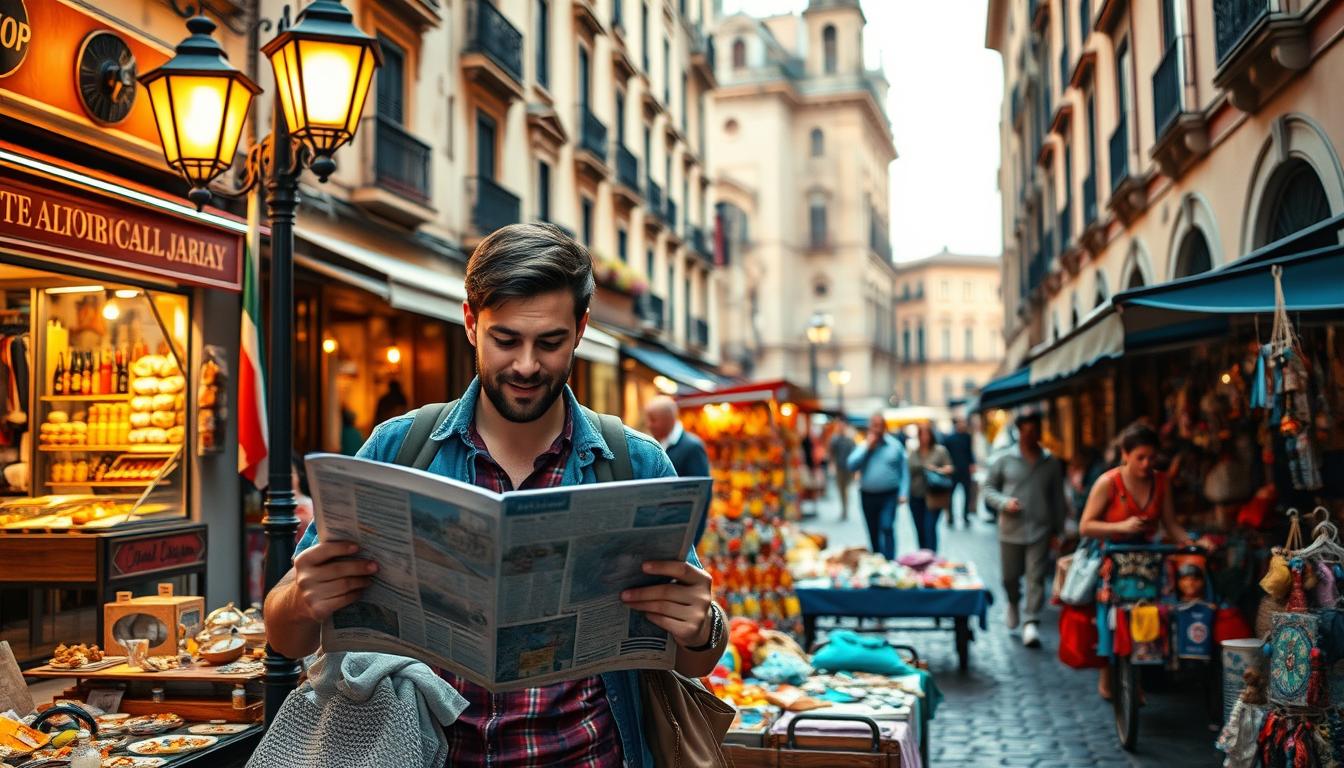
Traveling is a big joy in life, but it can cost a lot. Tracy knows how to travel without spending too much. She says to split your costs into categories like travel, staying places, eating, and fun activities. This way, you can keep an eye on your spending.
Tracy shares tips on saving money, like using a Travel Budget Calculator. Planning ahead is key to finding trips that don’t break the bank. Whether you’re going far or staying close, these tips will help you have a great time without spending too much money. Let’s learn how to make traveling thrilling but not too pricey.
Key Takeaways
- Divide expenses into transportation, accommodation, food, and activities.
- Use a Travel Budget Calculator to manage finances effectively.
- Find affordable vacation ideas by planning ahead.
- Apply budget travel tips to avoid accruing debt while traveling.
- Explore cheap travel hacks for cost-effective traveling experiences.
Create a Realistic Travel Budget
Efficient budgeting is key for cheap trip planning. By planning your money and saving early, you keep trips fun and affordable.
Setting Financial Boundaries
First, look at what money you have. Knowing what you can spend stops you from spending too much. It keeps your trip costs from hurting your bank account.
Set clear limits for things like hotels, food, and fun. This way, you can focus your money on what’s most important to you.
Planning and Saving Ahead
Planning and saving early help with affordable trips. Apps like Scotia Smart Money keep track of money. They guess future costs too.
Being open to when and where you go can save a lot. This careful planning keeps your savings safe. It makes the trip stress-free and fun.
Choosing Budget-Friendly Destinations
Choosing places that don’t cost much is key to smart travel. By picking areas with lower costs, you can do more with your money. Look at places not many people visit or local options to find great spots that aren’t crowded.
Diverse Options to Consider
There are many ways to find cheap places to go. Places in Eastern Europe, South East Asia, and some parts of South America are usually less expensive. Also, places where your money is worth more can save you money.
Here’s a table with some cheap places to visit, based on costs and money value:
| Destination | Average Daily Cost (USD) | Favorable Exchange Rate Example |
|---|---|---|
| Cambodia | $30 | USD to KHR |
| Vietnam | $25 | USD to VND |
| Bolivia | $20 | USD to BOB |
| Hungary | $50 | USD to HUF |
Finding Cost-Effective Locations Near You
Looking for cheap places close to home is another good tip. Nearby spots often have a lot to offer without costing a lot. State parks, small towns, and hidden landmarks can give you a great time for less money.
Traveling when it’s not busy can also save you a lot. This means fewer people and lower prices. As seasons change, prices can go down, making it cheaper to travel.
Saving Money on Flights
Want to travel without spending much? Learn how to find the cheapest flights. There are tricks like using flight trackers, booking smart, and flying when fewer people do. These can really help save money.
Using Flight Trackers and Alerts
Flight trackers are a big help for saving money. Tools like Google Flights and Hopper watch prices for you. They send alerts when prices get low. This money-saving travel advice makes sure you get the best deals.
When to Book for Best Prices
When you book matters a lot for getting good prices. Booking three weeks early can help. Also, flying on weekdays is cheaper than weekends. Flying early or late can save money too.
Leverage Off-Peak Travel
Traveling when it’s not peak season can lead to big savings. Try flying just before or after big travel times. This means cheaper flights and less crowded places. Plus, avoiding holidays keeps more money in your pocket.
Maximize Your Credit Card Points
Learning to maximize your credit card points can make travel cheaper. Use the right tips to save money and gain points. This can help a lot.
Selecting the Right Travel Credit Card
Choosing the right card is key. Look for good sign-up bonuses, reward rates, and points you can change into miles or hotel stays. For example, the Chase Sapphire Preferred® Card gives 75,000 bonus points if you spend $5,000 in the first three months.
The Platinum Card® from American Express offers up to 175,000 points after spending $8,000 in the first six months. Compare different cards to understand better:
| Credit Card | Sign-Up Bonus | Points Per Dollar |
|---|---|---|
| Chase Sapphire Preferred® Card | 75,000 points | 2 points on travel, 3 points on dining |
| The Platinum Card® from American Express | 175,000 points | 5 points on flights and prepaid hotels |
| Capital One Venture Rewards Credit Card | 75,000 miles | 2 miles on all purchases |
How to Accumulate and Use Points Effectively
After getting the right card, spend wisely to get more rewards. Use your card for daily buys like food and eating out to get points fast. For tips, look at how to maximize your credit card guide.
Also, learn about moving points around. Some cards let you switch points to hotel or airline partners, making points worth more. The Chase Sapphire Preferred® Card is good for this because it lets you move points to partners like Hyatt and United Airlines.
Using sign-up offers, spending smart, or moving points can make travel better and cheaper. Use these tips to save money and have fun on more trips.
Finding Affordable Accommodations
Looking for cheap places to stay is key to low-cost travel. It’s important to think about your choices. This helps you find the least expensive spots to sleep.
Vacation Rentals Versus Hotels
It’s good to compare vacation rentals and hotels. Airbnb is often cheaper, especially for longer trips. Hotels have things like daily cleaning and room service.
Vacation rentals feel like home. They have kitchens and more rooms. This is great for families or groups.
Alternative Lodging Options
Look into other places to stay too. Hostels are cheap and fun. You can also check out bed and breakfasts, eco-lodges, and places that allow pets.
Utilizing Loyalty Programs
Don’t forget about loyalty programs. Many hotels and booking sites have rewards. Signing up can get you discounts, free nights, and more. This is a smart way to save money and enjoy your trip more.
Budget Travel Tips
Traveling with a tight budget can still be fun. Here are some top budget travel tips. They help you enjoy your trips without spending too much.
- Plan in Advance: Early planning gets you the best deals on flights, stays, and fun activities.
- Set Clear Financial Goals: Know how much you can spend and follow that plan. This helps you make wise choices.
- Utilize Budgeting Tools: Apps like Mint or You Need a Budget (YNAB) keep track of your money and help you stay on budget.
- Adaptability: Changing your travel dates or places can save you money. It lets you find great deals, so you spend less.
Using these tips can make your trips cheaper. But they’ll still be just as fun.
| Thrifty Travel Tips | Advantages |
|---|---|
| Use Public Transportation | It’s cheap and lets you experience the local way of life. |
| Cook Instead of Dining Out | You save money and try local foods. |
| Look for Free Attractions | You can learn about the area’s culture and history for free. |
| Travel Off-Peak | You’ll find better deals and fewer crowds. |
Eating on a Budget
When you travel, food costs can really affect your budget. But, you can eat well and save money by cooking for yourself and finding deals. Here are some easy tips for saving on food while having fun on your trip.
Cooking Meals Versus Dining Out
Making your own meals can help you save money. Look for places to stay that have kitchens, like vacation rentals or hostels. Buy local foods to cook. This saves you money and lets you taste the local way of life.
Here’s how cooking for yourself compares to eating out:
| Aspect | Cooking Meals | Dining Out |
|---|---|---|
| Cost | Lower | Higher |
| Control Over Ingredients | High | Low |
| Experience | Immersive | Convenient |
| Health | Better Control | Varies |
Finding Local Deals and Markets
To save more, visit local markets and eateries. Avoid tourist spots as they are more expensive. Look for street food and local diners for cheap and real meals. Also, look for daily deals to save even more.
Using Public Transportation
Public transport during travel gives you big benefits and saves money. You can see more and pay less. It lets you really get to know the places you visit.
Benefits of Public Transportation
Using buses and trains is a top low-cost travel tip. It’s cheap and lets you see how locals live. You’ll save cash and make new friends.
These systems reach all the important spots easily. They’re good and not expensive. This makes exploring easy and is great for your wallet, a perfect budget-friendly destination tip.
Day Passes and Discount Cards
Day passes or discount cards mean more savings. They’re perfect for tourists who want to see a lot of places. Cities like Paris or New York offer special deals for travelers.
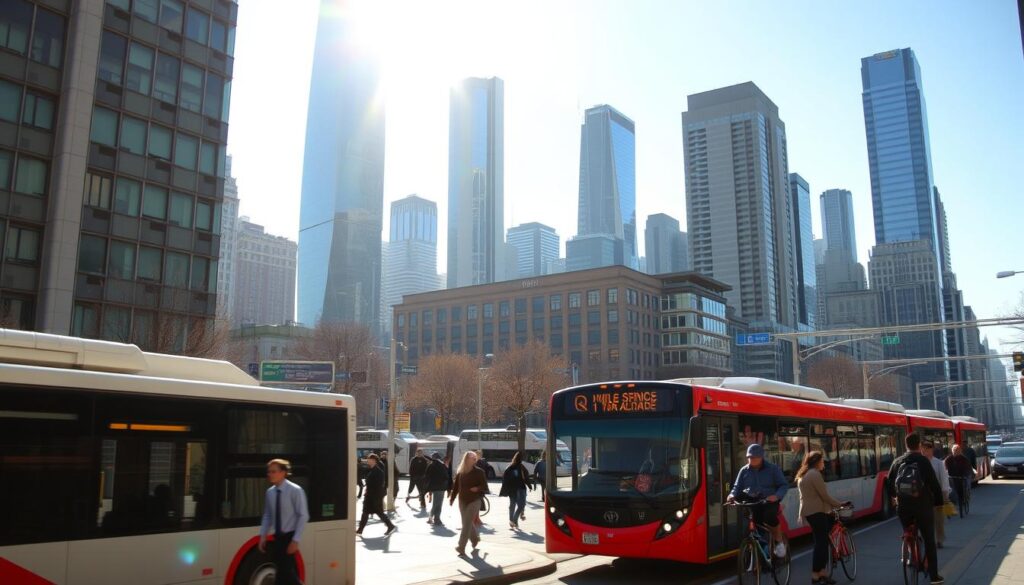
Plan your transport to save money and have fun. Day passes and discount cards are key. They help control your spending while you discover exciting places.
Free or Low-Cost Activities
Looking for affordable activities when traveling can save a lot of money. Many places have fun things to do that are free or don’t cost much. This way, you can enjoy local culture and nature without spending a lot.
Exploring Nature and Public Spaces
Enjoying nature and public areas is a great way to make your trip special without spending much. Lots of cities have pretty parks, trails, and water areas. You can do things like hiking, having picnics, and riding bikes.
These places help you take a break and feel connected to where you are visiting.
Taking Advantage of Free Entry Days
Another cool cheap travel trick is visiting museums and historical sites on free days. They often let you in without paying at certain times. By planning this, you can save money and learn a lot without the usual cost.
Avoiding Hidden Costs
Knowing about hidden costs can help you save money when you travel. It’s important to know about extra fees and surprises that can make you spend more. Learning a few thrifty travel tips can help you keep your budget under control.
Credit card foreign transaction fees are a big worry for travelers. Not every credit card is good for traveling abroad. Choosing a card without foreign transaction fees can save a lot of money. This lets you enjoy your trip without stressing over extra charges.
Foreign Transaction Fees
Foreign transaction fees can really add up, costing 2% to 3% of each buy. Choose a travel credit card that doesn’t have these fees. Cards like the Chase Sapphire Preferred and Capital One Venture Rewards Card are great. They give good rewards and don’t have foreign transaction fees. Knowing this can help keep your travel budget safe.
Unexpected Expenses and How to Plan for Them
Unexpected costs can be a challenge when traveling. It could be a sudden change in plans or a must-buy item. To handle this, make a special savings fund for surprises. Having a set amount of money ready makes surprises easier to deal with.
If you’re trying to travel cheaply, plan some money for unexpected things. By doing this, you can handle surprises without worry. This makes your trip smoother and more fun.
Tracking Your Spending
Watching your money is key when you travel. It helps you stick to your budget. You can manage your cash using either apps or traditional ways, depending on what you like.
Using Budgeting Apps
Apps like Mint, YNAB, and TravelSpend help you see where your money goes. They sort your spending and warn you if you’re spending too much. These tools make it easy to keep an eye on your cash. They help you find ways to save money when you travel.
Manual Tracking Methods
If you like to do things yourself, keeping a daily spending diary works well. Write what you spend in a journal or a spreadsheet. It helps you see how much money you have. This way might be traditional, but it’s a solid method. It helps you control your spending during your trip.
Conclusion
Traveling cheap doesn’t mean you can’t have fun. With some smart planning, you can have great trips without spending too much. It’s all about making smart choices, like setting a good budget and picking places that are easy on your wallet.
There are cool tricks to save money, like watching for cheap flights and traveling when it’s not too busy. Also, using credit card points can cut costs. Look for places to stay that won’t cost a lot. And remember, buses and trains, local shops, and free stuff to do can be really fun.
The best trip doesn’t have to cost a lot. There are tools and apps that help you watch your money. By being smart with your planning, you can travel in style without spending much. This shows you can have an amazing time traveling without spending a lot of money.


