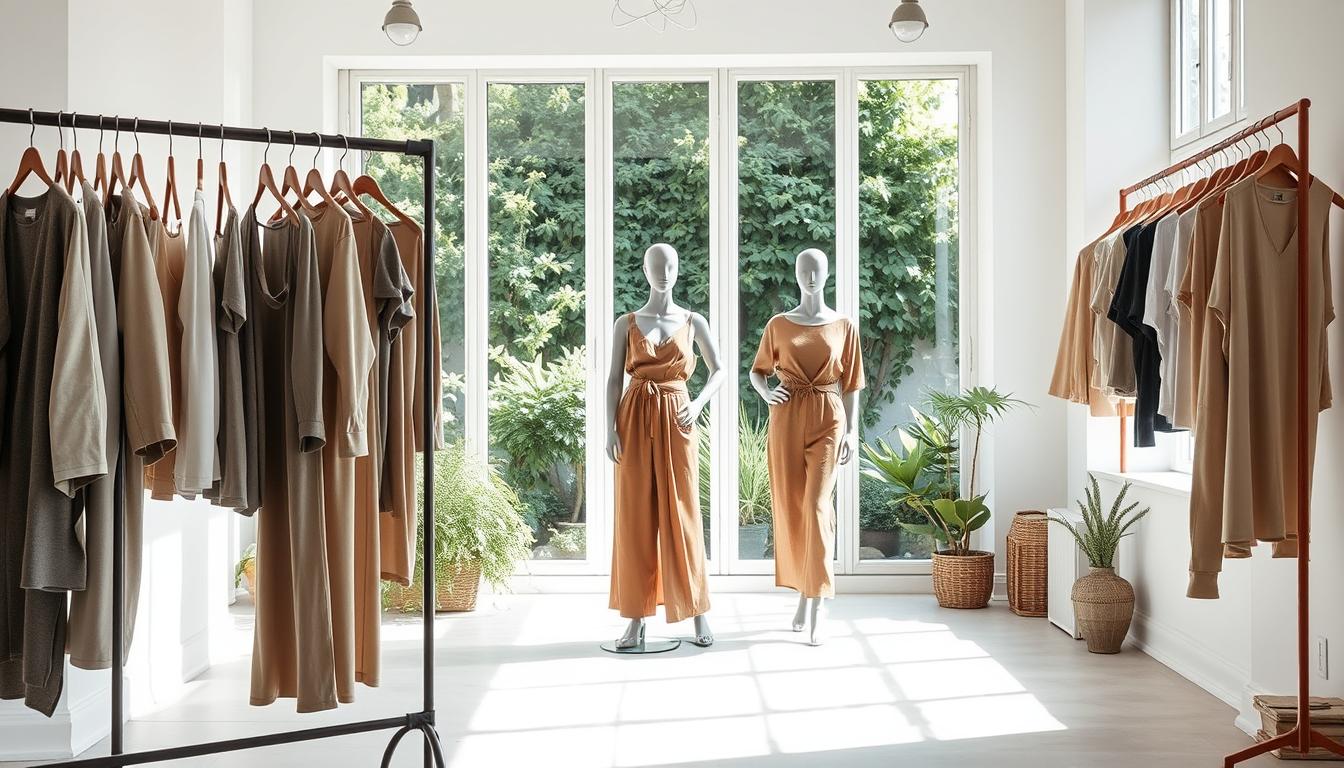
Welcome to the world of sustainable fashion. Here, your style choices help save the environment and support fair fashion. We’ve got sustainable fashion tips for you. These tips will make you look good and feel good about helping the planet. Let’s dive into how to dress green and switch to eco-friendly clothes.
Key Takeaways
- Adopt sustainable fashion tips to elevate your daily style.
- Make eco-friendly clothing suggestions a part of your wardrobe choices.
- Understand the significant impact of green style advice on the environment.
- Learn how to transition to a sustainable wardrobe seamlessly.
- Enhance your fashion with a commitment to ethical practices.
Understanding Sustainable Fashion
Sustainable fashion is big in the clothes world. It’s about making fashion that’s good for our planet. It cares for the earth, uses kind work practices, and makes clothes last longer.
Definition and Importance
Sustainable fashion means making and buying clothes that help the planet and people. It fights the bad parts of fast fashion. This includes using organic or recycled stuff and making sure workers are treated well.
By choosing sustainable fashion, we save resources and make less trash. This means clothes are worn longer and the earth is happier.
Key Principles
The main rules of sustainable fashion are simple. Use natural or recycled materials and make sure people are treated fairly at work. Also, choose good quality over lots of clothes.
These ideas help make fashion that’s good for the earth and us. When we follow these, we help make fashion better for everyone and everything.
Building a Capsule Wardrobe
Making a capsule wardrobe means choosing simple, eco-friendly clothes. It’s about having fewer, but better quality clothes that go well together. This way, you look good, waste less, and buy less.
Concept and Benefits
A capsule wardrobe is about timeless clothes that always look great. With fewer clothes, you save time and help the planet. You spend less money, keep your closet tidy, and dress in a way that truly fits you. By buying less, you support eco-friendly fashion too.
- Cost Efficiency: Buying less but better saves money in the long run.
- Environmental Impact: Buying less means creating less waste and pollution.
- Streamlined Style: Choosing carefully means you love and use everything you have.
Essential Items
Starting a capsule wardrobe? Mix basic items with a few eye-catching pieces. Here are some must-haves:
| Category | Suggested Items |
|---|---|
| Basics | Neutral T-shirts, high-quality jeans, classic white shirt |
| Outerwear | Timeless trench coat, denim jacket, eco-friendly knitwear |
| Footwear | Comfortable sneakers, black loafers, versatile boots |
| Accessories | Classic handbag, minimalist jewelry, stylish scarf |
These pieces make your wardrobe flexible and eco-friendly. They simplify choosing outfits and encourage sustainable fashion.
Eco-Friendly Fabrics to Look For
Choosing the right materials is key in ethical fashion. Knowing the best sustainable materials helps the planet. Here are the top eco-friendly fabrics for your clothes:
Organic Cotton
Organic cotton is grown without nasty chemicals. It’s great for the planet and feels good to wear. Look for the GOTS certification to be sure it’s real.
Recycled Fibers
Using recycled fibers is a smart move. Materials like recycled polyester help reduce waste. They use less energy and water, making them super sustainable.
Hemp and Linen
Hemp and linen are very eco-friendly. They don’t need much water or pesticides. Hemp is strong and versatile, while linen is light and comfy.
Using these fabrics can lower your impact on Earth. They’re great choices for anyone.
Shopping Second Hand
Buying second-hand helps your wallet and the planet. You give clothes a new life, lessening waste and resource need. It also cuts down on the making of new clothes.
Benefits for Your Wallet and the Environment
Second-hand finds save you money and help the earth. You spend less at thrift shops and online. This means less waste and less fast fashion, which is good for the planet.
Tips for Finding Great Deals
Here are some tips to get the best out of thrift shopping:
- Explore Local Thrift Stores: Check out local shops often for unique finds. This ups your chances for good deals.
- Utilize Online Platforms: Sites like ThredUp, Poshmark, and eBay have lots of second-hand clothes. You can search by size, brand, or price.
- Visit Estate Sales: You can find luxury and unique items at estate sales. Look for sales near you.
- Know Seasonal Cycles: Look for special sales at thrift stores to grab better deals. Planning your shopping can help.
These tips will make your wardrobe cooler and the planet happier. By choosing ethical brands and shopping smart, you’re doing good for your wallet and the world.
Clothing Rental Services
Clothing rental services are a cool new way to help the planet. They let you enjoy fun and different clothes without owning them forever. This helps reduce waste and keeps our earth cleaner.
When to Consider Renting
Think about renting clothes for big events or just to try new styles. It’s a smart choice if you don’t want to buy something you’ll wear once. Plus, it helps make less new clothes, which is good for the planet.
Top Platforms to Use
There are many places to rent clothes from. Rent the Runway is one of the best, offering lots of designer outfits cheaply. Don’t forget local shops too. They have unique choices and help your local economy.
Turn Your Wardrobe Green with Sustainable Fashion Tips
Start making your wardrobe greener with some easy tips. First, choose clothes made from organic or recycled fabrics. Fabrics like organic cotton, or recycled polyester make your fashion choices both stylish and good for the planet.
It’s also important to buy from ethical fashion brands. Brands like Patagonia, Eileen Fisher, and Stella McCartney care about using sustainable materials. When you shop from these brands, you’re helping the planet too.
Try buying second-hand or renting clothes to reduce your impact. Stores like thrift shops, and online sites like thredUP and Depop offer many pre-loved items. Services like Rent the Runway let you rent clothes for special events.
Lastly, consider creating a capsule wardrobe with essential, versatile pieces. A classic white shirt, a pair of jeans, and a timeless coat are great starts. This not only makes choosing outfits easier but also helps the environment.
By following these tips, you can have a wardrobe that’s both fashionable and kind to the earth. Choosing fashion consciously can make a big difference for our planet.
Supporting Ethical Fashion Brands
Today, many people like buying clothes from ethical brands. These brands care about fair work and keeping nature safe. It’s about looking deeper than just the clothes’ tags. It’s about seeing how brands are making a positive change.
Key Certifications to Look For
To pick these brands, it’s key to know the right certifications. They show who’s really working ethically and sustainably. Let’s see which ones matter:
| Certification | What It Ensures |
|---|---|
| Fair Trade Certified | Fair wages, safe working conditions, and community development funds for workers. |
| GOTS (Global Organic Textile Standard) | Use of organic materials and compliance with stringent environmental and social criteria throughout the entire supply chain. |
| OEKO-TEX Standard 100 | Textiles are tested for harmful substances, ensuring they are safe from a human-ecological perspective. |
| BLUESIGN | Mitigation of the adverse impacts of textile production on people and the planet, promoting resource conservation. |
Looking for these marks helps you pick the right ethical clothes. By choosing wise, your buys help our Earth and others. It makes shopping good for everyone.
The Hidden Costs of Fast Fashion
Fast fashion is rising quickly. It causes big environmental problems. The industry uses 93 billion cubic meters of water every year. This is enough for five million people’s needs.
Also, 20 percent of the world’s wastewater is from dyeing clothes. This is very toxic.
The fashion world causes 8-10 percent of global emissions. This adds a lot to climate change. Every year, we make 80 billion new clothes. That’s 400 percent more than 20 years ago.
Almost 87 percent of clothing material is thrown away or burned. We need to focus more on sustainable fashion.
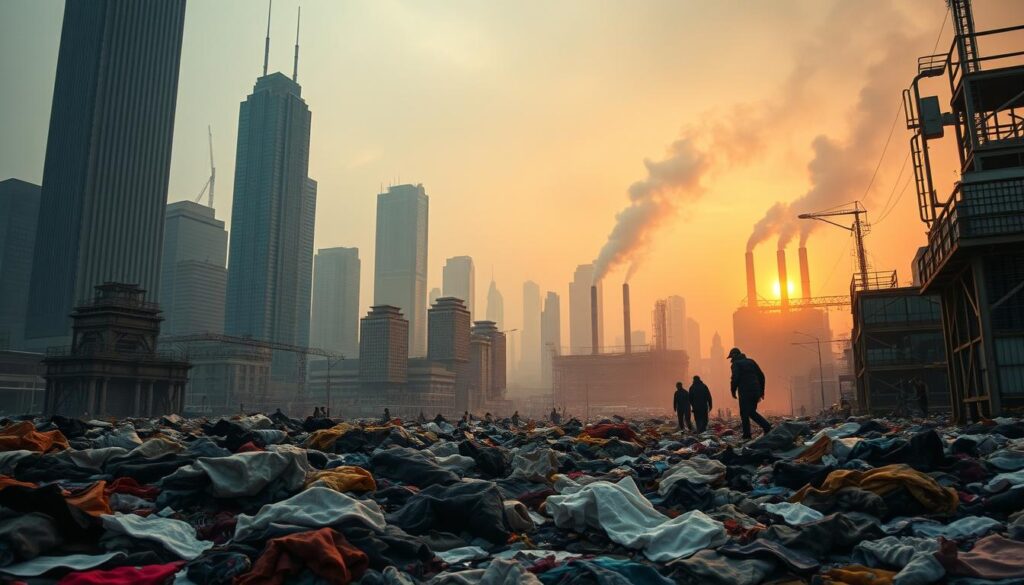
The industry also loses money. Unrecycled clothes and those thrown away before selling cost $500 billion a year.
Moreover, washing synthetic clothes sends 0.5 billion kilograms of microplastics into the ocean every year. This is 35 percent of ocean’s microplastics.
About 3,500 chemicals are used in making textiles. 10 percent are bad for our health and 5 percent hurt the environment. Also, 25 percent of new clothes remain unsold. Up to 12 percent of fibers are wasted in production. To learn more, click on the environmental cost of fast fashion.
How to Care for Your Clothes Sustainably
Caring for clothes the right way helps them last longer and is good for our Earth. Here are some simple tips to make your clothes look great for a long time.
Proper Washing Techniques
Try washing your clothes less to avoid damage. Use cold water to keep them in good shape and save power. Pick detergents that are kind to the earth and your clothes.
Mending and Repairing
If your clothes get a little torn, don’t toss them out. Learning how to fix a button or a tear can save your favorites. It’s a great way to care for your clothes and the planet.
Effective Storage Tips
Storing your clothes right makes them last longer. Use bags that let air in instead of plastic. This stops mold and bad smells. Keeping your clothes neat means you can find and take care of them better, which is key for lasting wear.
Curating Your Closet
People are loving simple wardrobes more and more. They want to live simply and choose clothes that are good for our planet. Keeping your closet full of simple, well-made clothes is what curating sustainable fashion is all about. This way, your outfits not only look great but are also good for Earth.
Starting your curate sustainable fashion journey means looking closely at what you really need. It’s about picking clothes that work well together in many ways. This means you don’t need too many items. Just a few that go well together are enough.
Choosing minimalist fashion also means choosing items that last a long time and never go out of style. Think about getting a nice blazer, some classic jeans, simple tops, and a few accessories that go with everything.
Having a simple closet doesn’t mean you can’t be stylish. It means you choose carefully, with your values and the planet in mind. Let’s look at some important pieces to have:
| Category | Essential Item | Description |
|---|---|---|
| Tops | Neutral T-Shirts | Basic tees in black, white, and gray that can be effortlessly layered. |
| Outerwear | Classic Blazer | A well-tailored blazer that adds polish to any outfit. |
| Bottoms | Dark Denim Jeans | A pair of high-quality jeans that can be dressed up or down. |
| Dresses | Little Black Dress | A timeless piece suitable for a variety of occasions. |
| Footwear | Comfortable Flats | Versatile flats that offer both style and comfort. |
With these key items, you can make a closet that’s both stylish and kind to our planet. The aim is curate sustainable fashion that stands the test of time. It’s about having outfits that fit your values and give you lots of choices.
Borrowing and Swapping Clothes
Swapping clothes and borrowing them is great for the planet. It helps keep our style fresh without waste. It also means we share more.
Setting Up Clothing Swaps
Starting a clothing swap is a cool way to reuse clothes. Tell your friends, coworkers, and neighbors to get them excited. Pick a big enough place like a community hall or your living room.
Have snacks and drinks ready. Make rules clear. For example, bring clothes that are clean and not too worn. Sort clothes so everyone can find what they like. This makes the swap fun for everyone.
Borrowing from Friends and Family
Borrowing clothes is smart and friendly. It saves stuff and brings us closer. Talk about swapping outfits for parties or trying new looks without buying.
It’s a way to be thoughtful about what we wear. Sharing fashion brings us joy. It makes being green a part of our daily life.
Conclusion
Choosing sustainable fashion means we help our planet. It’s also about liking things that are made fairly. We have talked about cool ways to be stylish and eco-friendly. This includes knowing how sustainable fashion works. And creating a simple but trendy wardrobe.
But we’re not done learning about eco-fashion yet. Picking clothes made from green materials is good. So is supporting brands that care about people and the planet. Using clothing rental services is another smart move. Taking care of what we wear in eco-friendly ways matters too. Buying used clothes and sharing outfits with friends also helps our planet.
Even little choices in our fashion habits can make a big difference. It’s good for nature and people everywhere. Keep learning and share what you know with others. If we work together, we can make green fashion a normal part of how we live.


